Classic and Creative Choices at Pie Cafe Colorado Springs
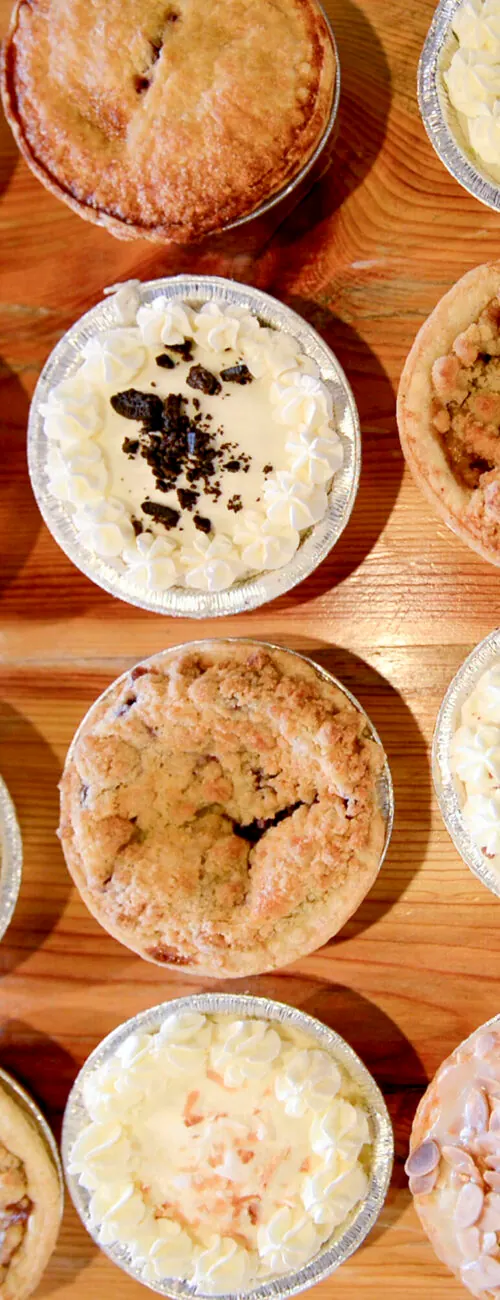

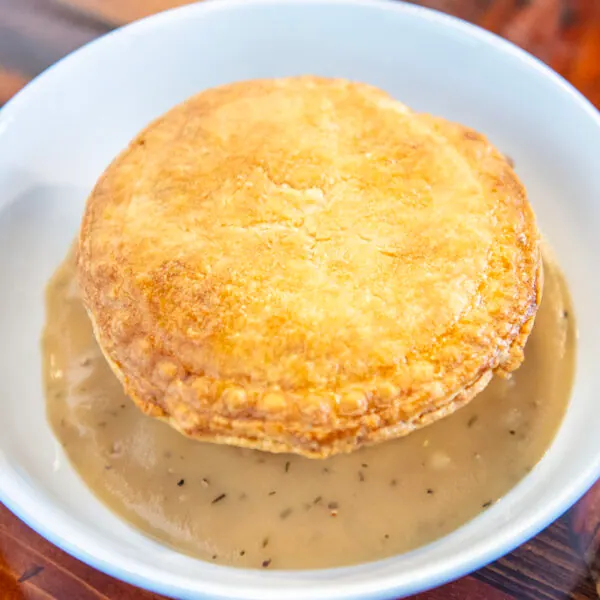
A good pie cafe earns loyalty in a very specific way. It does not rely on novelty alone, and it does not coast on nostalgia. It has to understand what people want when they walk through the door at 8 in the morning, what they reach for after lunch, and what they are secretly hoping to see in the case on a cold afternoon when the weather turns sharp along the Front Range. That balance, the one between the familiar and the surprising, is where the real craft lives.
That is what makes the idea of a pie cafe in Colorado Springs so appealing. Pie is broad enough to cover breakfast, lunch, dessert, and take-home comfort. It can feel practical or celebratory. It can lean sweet, savory, rustic, polished, traditional, or seasonal. When people look up pie cafe colorado springs, they are often looking for more than a sugar fix. They want a place with range. They want classics done well, and they want a few unexpected options that justify a repeat visit.
The best pie menus tend to reveal a kitchen’s priorities very quickly. You can tell whether a cafe values texture, restraint, freshness, and consistency, or whether it is chasing spectacle. Pie has nowhere to hide. https://jaidenvezk816.rivertonbrief.com/posts/how-to-enjoy-the-full-experience-at-pie-cafe-colorado-springs The crust tells the truth. So does the filling. So does the way a slice holds its shape on the plate for the first three minutes after it is served.
Why pie works so well in Colorado Springs
Colorado Springs has the kind of dining rhythm that rewards comfort food with a point of view. Locals move between fast weekday routines and slower weekend habits. Visitors often arrive hungry after a hike, a drive, or a day of sightseeing. Families need places that can satisfy different tastes without turning the meal into a negotiation. Pie, especially in cafe form, meets all of those needs.
The climate helps too. At elevation, with distinct seasons and a long shoulder period between warm and cold, people tend to respond well to foods that feel grounded. A warm slice of quiche in the morning, a savory hand pie at lunch, a fruit pie in late summer, a richer cream pie in winter, all of that feels intuitive here. Even when the weather is clear and bright, there is often enough coolness in the air to make a pastry case feel inviting.
There is also something democratic about pie. Cakes can feel formal. Fine pastries can feel precious. Pie usually does not. A slice can be lunch. It can be dessert after soup. It can be shared over coffee during a meeting, boxed up for later, or carried to a friend’s house without much ceremony. In a city with both neighborhood regulars and a steady stream of out-of-town guests, that flexibility matters.
The classics that anchor a pie cafe
Every strong pie cafe needs a foundation. Without a few reliable standards, creative offerings lose context. People need reference points. They want to know that the kitchen can execute the basics before they trust it with a roasted green chile chicken pie or a lavender honey chess pie.
Classic fruit pies are usually the first test. Apple, cherry, and mixed berry may sound simple, but each one exposes a different weakness if the kitchen is not paying attention. Apple pie fails when the fruit is under-seasoned, over-sugared, or cut so thick that it steams instead of bakes. Cherry pie can turn gummy or aggressively sweet. Berry pies often suffer from the opposite problem, a thin filling that floods the crust and leaves the bottom soggy.
A well-made apple pie still sets the standard. The best versions usually strike a quiet balance between tart and sweet, with enough spice to deepen the flavor but not enough to dominate it. Cinnamon should support the fruit, not erase it. Nutmeg, if used, should barely announce itself. Texture matters just as much. A good slice should offer tender fruit with a little bite left in it, not apples cooked down to puree.
Pecan pie brings a different set of expectations. Many cafes overdo the sweetness, producing a filling so dense it feels more like candy than pie. A stronger version keeps the richness but introduces contrast. Toasted nuts, a measured hand with syrup, and a crust that resists the filling rather than surrendering to it can turn a heavy dessert into a balanced one. In Colorado, where dry air can exaggerate texture issues, this distinction becomes even more important. A pie that is even slightly overbaked can cross the line quickly.
Cream pies and meringue pies are where craftsmanship becomes visible from across the room. Banana cream, coconut cream, chocolate cream, lemon meringue, and key lime all depend on structure. The filling has to be smooth, stable, and distinct from the crust. The topping has to complement rather than compensate. A cafe that gets these right shows discipline. Cream pies punish shortcuts immediately.
Savory classics matter just as much. Quiche is often underestimated, but it tells you almost everything about a cafe’s kitchen standards. A proper quiche should have a custard that sets evenly, not a rubbery center and watery edges. The crust should stay crisp enough to provide contrast. Fillings like spinach and feta, bacon and cheddar, or mushroom and Swiss should taste integrated rather than dumped in. It sounds obvious, yet it is surprisingly rare.
Chicken pot pie deserves similar respect. It is one of those dishes people order because they want reassurance. They are looking for depth, not gimmicks. A strong pot pie filling tastes like actual stock, roasted vegetables, and seasoned meat, not thickened cream with random chunks. The top crust should shatter lightly under the fork. If a pie cafe can deliver that consistently, it earns trust very quickly.
Where creativity actually adds value
Creative pie options are only worthwhile when they expand the menu’s character instead of distracting from it. Too many places treat innovation as a license to throw recognizable buzzwords into a crust. That approach dates fast. The memorable creative pies are the ones that still behave like pie. They may introduce unusual ingredients, but they keep proportion, texture, and purpose in check.
In Colorado Springs, regional influence offers a natural path. Green chile, roasted corn, local honey, stone fruit when in season, and mountain berry profiles all fit the area without feeling contrived. A savory pie with green chile and cheese can work beautifully if the chile delivers warmth and brightness rather than blunt heat. Likewise, a peach pie in late summer becomes more interesting with a restrained herb note or a crumb topping that adds contrast without burying the fruit.
Chocolate is another area where creativity can pay off, but only with restraint. A chocolate chess pie with sea salt, an espresso-inflected cream pie, or a dark chocolate pecan variation can all work because they deepen established forms rather than replacing them. That distinction matters. People generally return for creativity that feels legible. They are less enthusiastic about combinations that read like a dare.
I have found that the most successful cafes think seasonally rather than theatrically. They ask what tastes especially good right now, what people actually want to eat in this weather, and which ingredients deserve a place in the case this month. A spring menu might lean brighter, with citrus and berry notes. Fall invites apples, warming spice, and savory root vegetable fillings. Winter tends to reward richer textures, deeper chocolate, and more robust savory pies. Summer can carry stone fruit, tomato-based savory options, and lighter cream fillings.
That kind of creativity feels lived-in. It does not demand applause. It simply makes the menu feel alive.
Crust is where serious pie shops separate themselves
Anyone who has spent time around pastry kitchens knows that crust is the real measure of discipline. Fillings attract attention, but crust carries the entire product. It affects aroma, bite, structure, appearance, and the pace at which a slice can be eaten before it turns cumbersome.
At a pie cafe, crust should be intentional. That may sound basic, but plenty of places treat crust as a neutral delivery system. It is not. A flaky butter crust communicates something different from a more tender shortening-based crust. A press-in crumb crust creates one kind of experience, while a classic rolled dough creates another. Neither is automatically better. What matters is whether the crust suits the filling and holds up under service.
High-volume cafes face extra pressure here. A pie that tastes great fresh from the oven can lose its edge after a few hours in the case if the crust was not designed to endure moisture. Cream pies can soften a shell too quickly. Fruit pies can weep. Savory pies can steam themselves from the inside if held too long. Good operators account for this. They par-bake when appropriate, adjust thickening strategies by fruit type, and understand that display conditions are part of the recipe whether they like it or not.
This is one reason why simple pies are often the best thing to order at an unfamiliar cafe. They reveal execution without camouflage. An apple pie with a clean bottom crust and defined fruit says more about skill than a heavily topped specialty slice ever could.
The coffee question matters more than many cafes admit
Pie and coffee are natural partners, but not every cafe treats the pairing seriously. That is a missed opportunity. The drink side of the menu can either sharpen the pie experience or flatten it.
A bright drip coffee can lift a rich pecan or chocolate slice. A darker roast can stand up well to cream pies. Tea works particularly well with fruit pies, especially when the filling has enough acidity. Espresso drinks can be trickier. A sweet latte beside a sweet pie can quickly become too much. Better cafes understand this and guide customers gently, sometimes without saying a word, just by designing the menu in a way that nudges better combinations.
At a place that understands service, staff can also make a big difference. The person behind the counter who says, “That cherry pie is tart today, you might like it with a cappuccino,” is doing more than upselling. They are shaping the experience. Pie is emotional food, but thoughtful hospitality gives it staying power.
Sweet versus savory, and why the split matters
Some pie cafes lean heavily into dessert and treat savory options as an afterthought. Others do the opposite, using sweets to finish the transaction rather than define it. The strongest version of a pie cafe usually lives somewhere in the middle.
That balance is especially useful in a city like Colorado Springs, where traffic can change through the day. Morning customers may want quiche or breakfast hand pies. Lunch brings demand for practical savory portions. Mid-afternoon favors coffee and a sweet slice. Evening often becomes a take-home pie moment. A menu that works across those windows has a better chance of building regulars instead of relying only on destination traffic.
Savory pie also broadens the customer base. Not everyone walks into a cafe wanting dessert. Some people want an actual meal. For them, a savory pie has to do more than fill space in the display. It should taste developed. Vegetables need seasoning. Proteins need enough moisture to stay tender. Sauces need body without becoming pasty. The best savory pies feel like complete dishes enclosed in pastry, not leftovers folded into crust.
For customers, the practical distinction often comes down to appetite and timing. A classic fruit pie is ideal when the visit is built around dessert. A savory pie makes more sense when the cafe is part of a workday or weekend errand run. The beauty of a well-run pie cafe is that it can serve both impulses without forcing one identity over the other.
What regulars usually notice before anyone else
Frequent customers tend to judge cafes by details casual visitors barely register. They notice whether the apple pie tastes the same in March as it did in January. They notice whether the quiche crust stays crisp during a busy brunch rush. They notice whether seasonal pies are genuinely seasonal or simply renamed versions of existing stock.
They also notice pacing. A cafe can have excellent pie and still frustrate people if service drags, slices are plated carelessly, or take-home orders are boxed in a way that destroys presentation before the customer reaches the car. Pie is delicate in practical ways. Whipped toppings slump. Warm fillings shift. Crumb toppings scatter. Good systems matter.
If you are deciding what to try first at a place you have never visited, these are usually the safest bets:
- A signature fruit pie, because it reveals balance and crust quality.
- A savory staple such as quiche or chicken pot pie, because it shows whether the kitchen can handle texture.
- One seasonal special, because that is often where the cafe’s personality appears.
- Coffee or tea paired with your slice, to see whether the cafe treats the full experience seriously.
That small approach tells you a lot without requiring a full tour of the menu.
The appeal of familiar flavors with small risks
One of the most interesting things about pie is how willing people are to experiment, as long as the experiment begins from something recognizable. Most customers will try a brown butter apple pie before they try a pie built around an unfamiliar fruit. They will sample a green chile chicken hand pie before they order a savory pastry with a vague menu description. This is not timidity. It is sensible dining behavior.
The lesson for any pie-focused business in Colorado Springs is straightforward. Creativity should be framed through trust. When a cafe gets the classics right, customers are more open to trying a roasted pear and ginger pie, a strawberry basil variation, or a cheddar-crusted tomato pie in peak summer. The classics buy permission for the experiments.
That is why the keyword phrase pie cafe colorado springs carries more meaning than it first appears to. People searching for it are often sorting through competing expectations. Some want the taste of tradition. Some want a locally flavored experience they cannot get back home. Most want both. They want a place grounded enough to make a proper apple pie and interesting enough to offer something they will remember.
A note on portion, value, and satisfaction
Value at a pie cafe is not only about the size of the slice. It is about whether the portion matches the richness of the pie, whether the crust-to-filling ratio feels fair, and whether the experience leaves you satisfied rather than fatigued. Oversized slices can actually work against quality if they encourage heavy-handed sweetness or sloppy structure. A slightly smaller, better-balanced serving is often the wiser move.
This is especially true for cream pies and denser fillings. A modest slice of coconut cream pie with a crisp shell and clean custard can feel generous if the texture stays light. A massive wedge of overly sweet chocolate pie can feel exhausting halfway through. Portion is part of recipe development whether chefs acknowledge it or not.
Take-home whole pies raise similar questions. People want confidence that the pie will travel well, slice cleanly later, and taste fresh the next day. Fruit pies usually perform better than cream pies for transport, though a well-chilled cream pie can still work if boxed properly. Savory pies often reheat well, but only if the crust was built to survive a second round of heat. These practical concerns influence what people buy more than many menus account for.
What makes a pie cafe memorable
The memorable pie cafes are rarely the loudest. They are the ones with a clear point of view and enough technical consistency to support it. They know which classics must never leave the case. They know when a seasonal special is ready for prime time and when it still needs work. They understand that a pie cafe is part bakery, part lunch spot, part coffee stop, and part neighborhood ritual.
That last piece may be the most important. People return to pie for flavor, but they become regulars because of recognition. They like seeing a seasonal favorite come back. They like knowing there will be one dependable savory option when they need a quick lunch. They like the feeling that the cafe’s menu reflects time of year, local appetite, and real kitchen judgment rather than trend chasing.
For anyone exploring the pie scene in Colorado Springs, that is the sweet spot to look for. Not a menu that tries to impress at every turn, but one that knows when to stay classic and when to take a measured risk. Apple pie with a well-baked crust. Chicken pot pie with real depth. A seasonal special that makes sense in this place, in this weather, for these customers. That is how a pie cafe becomes more than a novelty. That is how it becomes part of the local routine.
And when a cafe can offer all of that, it gives people exactly what they were hoping to find when they searched pie cafe colorado springs: comfort, skill, and just enough surprise to make the next visit feel necessary.
3.14 Pi Bar
5152 Centennial Blvd
Colorado Springs, CO 80919
(719) 314-6172
FAQ About pie cafe colorado springs
Does 3.14 Pi Bar serve sweet and savory pies?
Yes. The café serves savory pot pies and seasonal sweet pies made from scratch. Flavors can vary.
Can I order a whole pie to take home?
Yes. The café sells whole sweet pies to take home. Check the current menu for flavors and ordering options.
Does 3.14 Pi Bar offer take-and-bake pies?
Yes. The café offers prepared pies that you can bake at home. Check the current menu for available varieties.